This was our Society's first visit to this railway in North Lincolnshire. On a warm sunny day, 27 members assembled for breakfast rolls, followed by an interesting talk on the history of peat extraction from Crowle, Thorne and Hatfield Moors which had occurred for centuries prior to ending in 2005. The important ecological value of the Moors contributed to the industry's demise - the Moors are now a site of special scientific interest. Peat harvesting can also add to climate change. The talk also covered transportation of the cut peat by both rail and canal, with the peatland railway representing an example of the former.
The railway is 3ft gauge and, although situated on the site of an old peat works, the track does not follow the route of an old line, instead being laid by preservationists. It is also ballasted, which industrial peat railways were generally not. The idea of a peatland heritage railway was first broached in 2013 and the Crowle & Thorne Moors Peat Railway Society held its first (static) open day in 2016. The first public trains ran in 2021 and currently the railway has a single running line of approximately 500m, which runs directly from inside its very impressive modern shed and workshop to Turf Moor Halt at the line end.
None of the railway's passenger stock could accommodate the whole of our group, so alternating rides were available to half of us in turn from the shed and its various sidings to the end of the line and back. Thanks to complex shunting, Line 2 in the shed was traversed to its extremity and Line 3 (outside) almost. Traction comprised a variety of Simplex diesels and a Wickham trolley (with trailer), the latter originating from the 15 mile long 3ft gauge Lochaber Narrow Gauge Railway from Fort William to Loch Treig. One riding vehicle had an even longer journey to Crowle, a former Lisbon tram, now used alongside a conventional narrow gauge coach as passenger accommodation. Rides were available with different combinations of locos and coaches, allowing everyone a chance to ride in (or behind) all available stock.
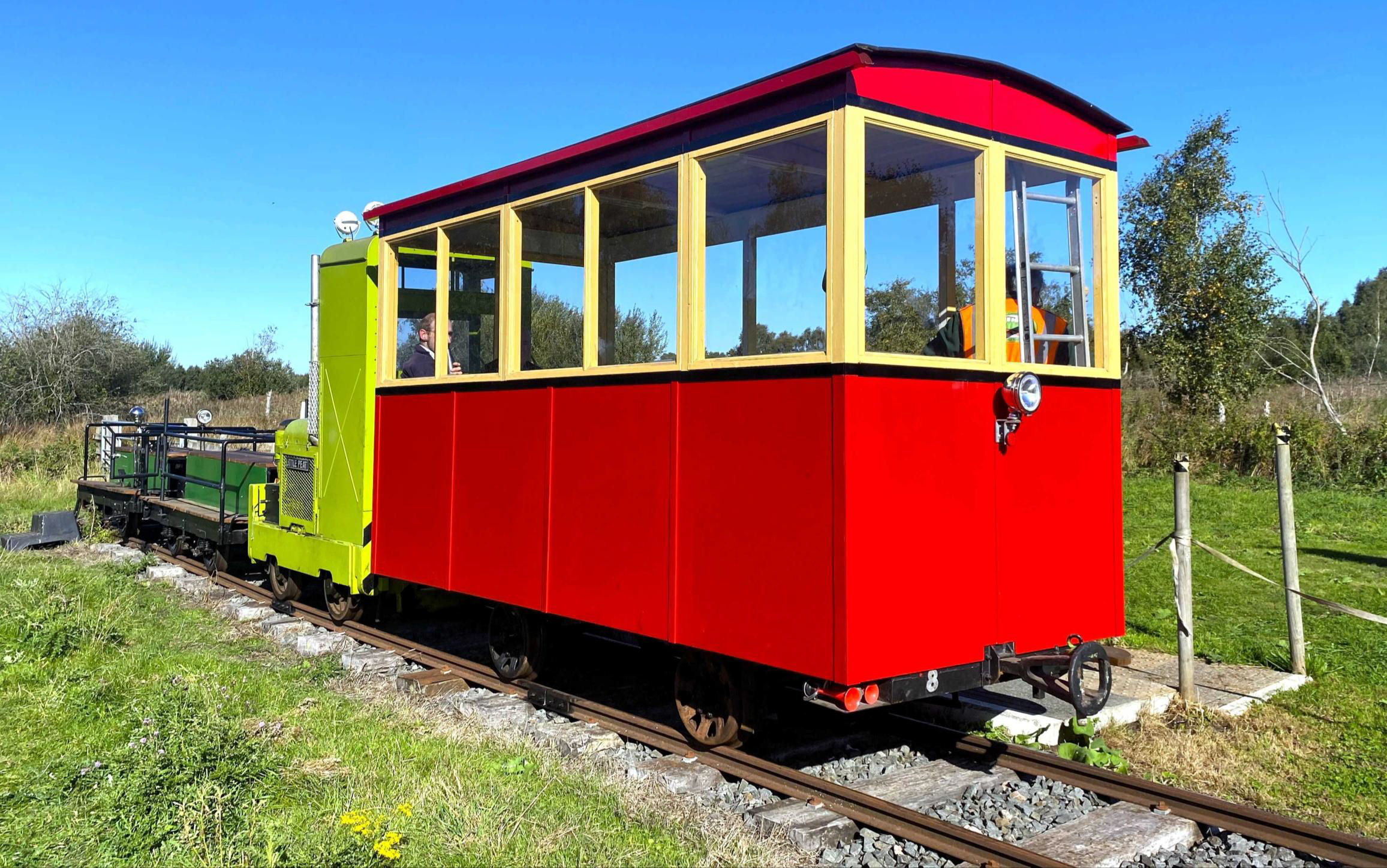
Crowle Peatland Railway end of line. (From the weather it could easily have been the middle of June rather than October.)
[© Kev Adlam, Jonathan Davies and Alan Sheppard 2026]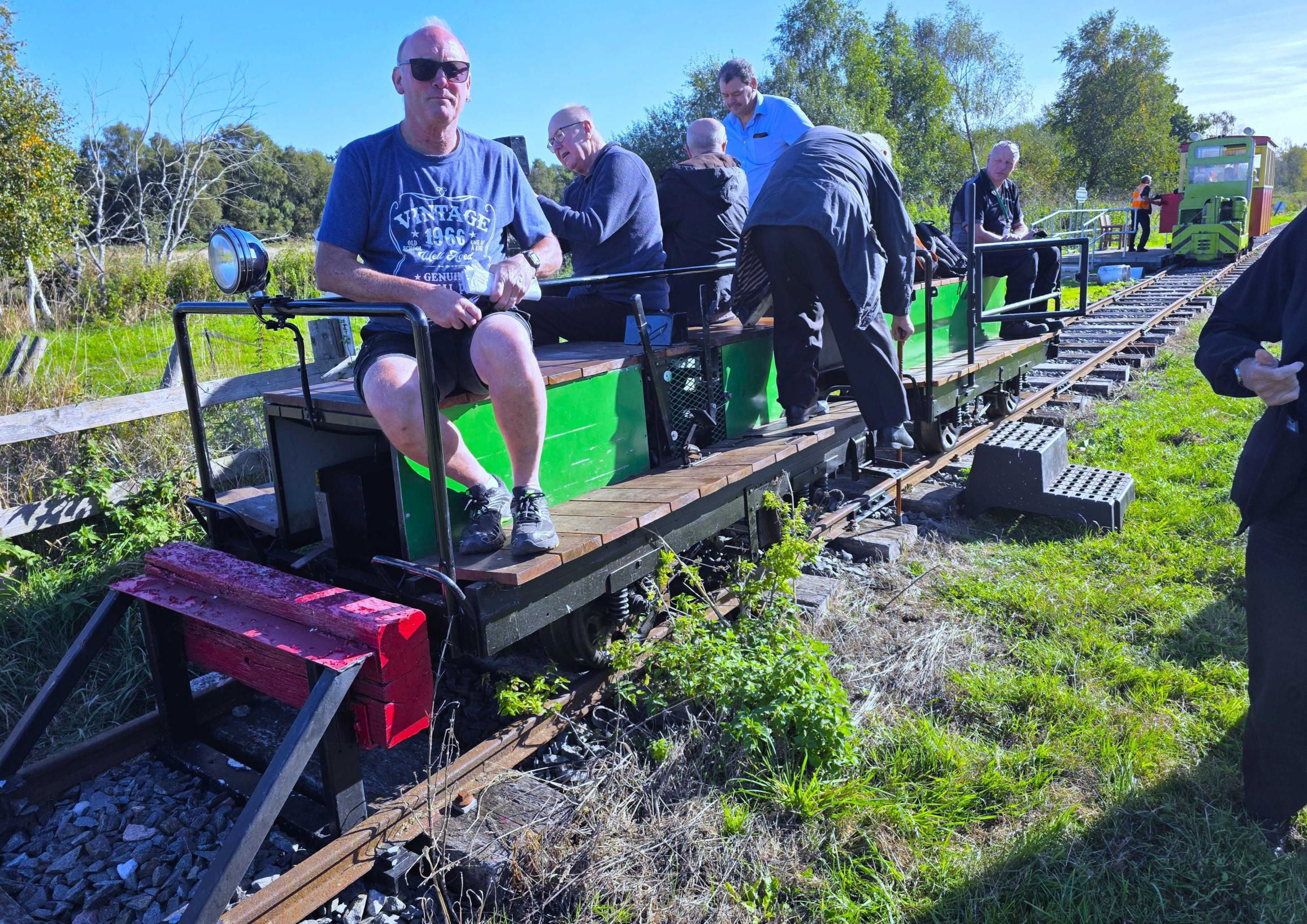
Gricing Rule 27b: To maximise track coverage you need to watch where Alan Sheppard (1966 vintage) is sitting and which way he is leaning...
[© Kev Adlam, Jonathan Davies and Alan Sheppard 2026]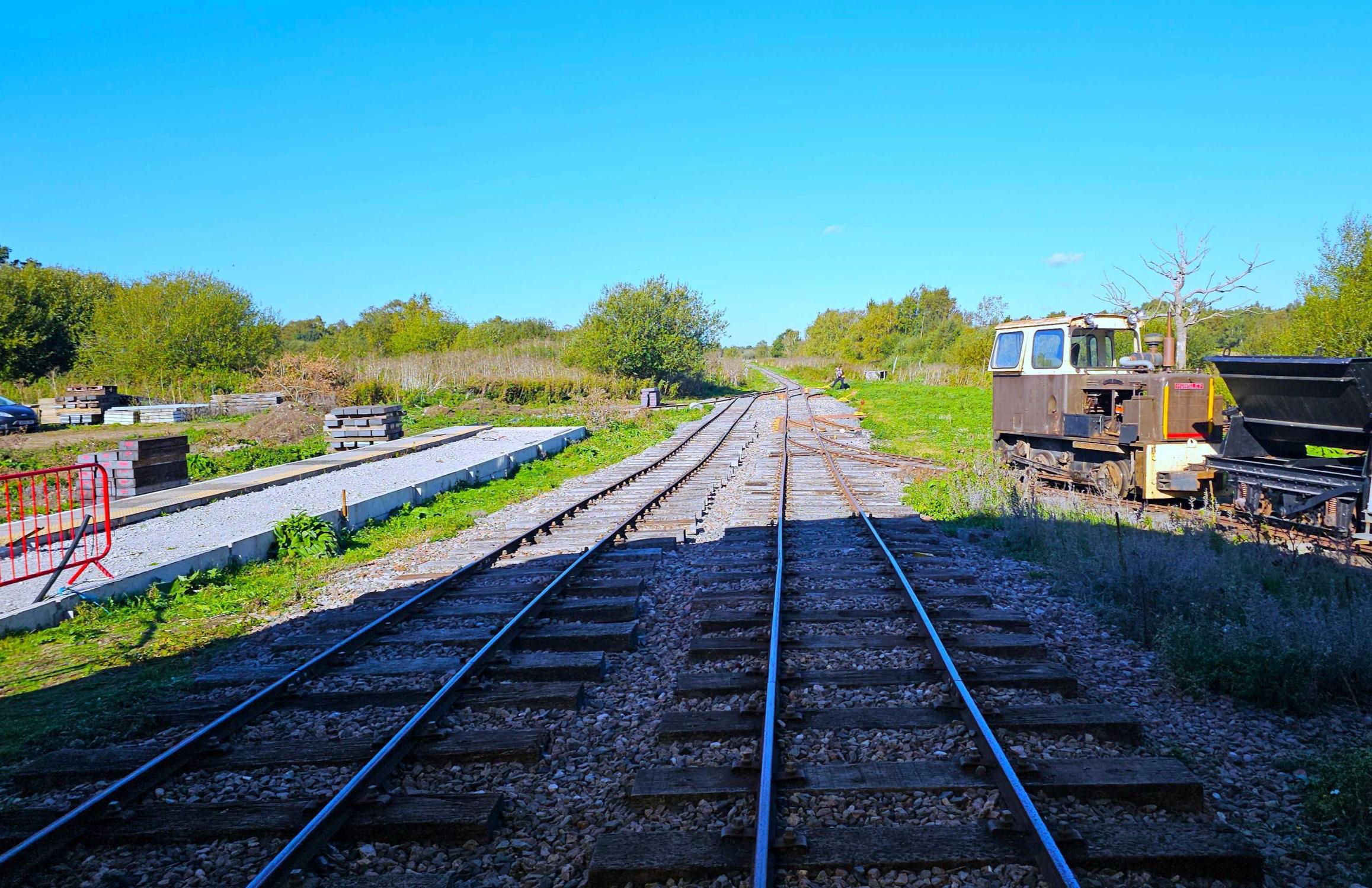
Looking out from the combined shed & workshop towards the end of line. The new passenger platform is under construction left, the track will be to its left. The current left hand track is the present passenger run (Line 1), Line 2 is the middles one and Line 3 (outside the shed) is right.
[© Kev Adlam, Jonathan Davies and Alan Sheppard 2026]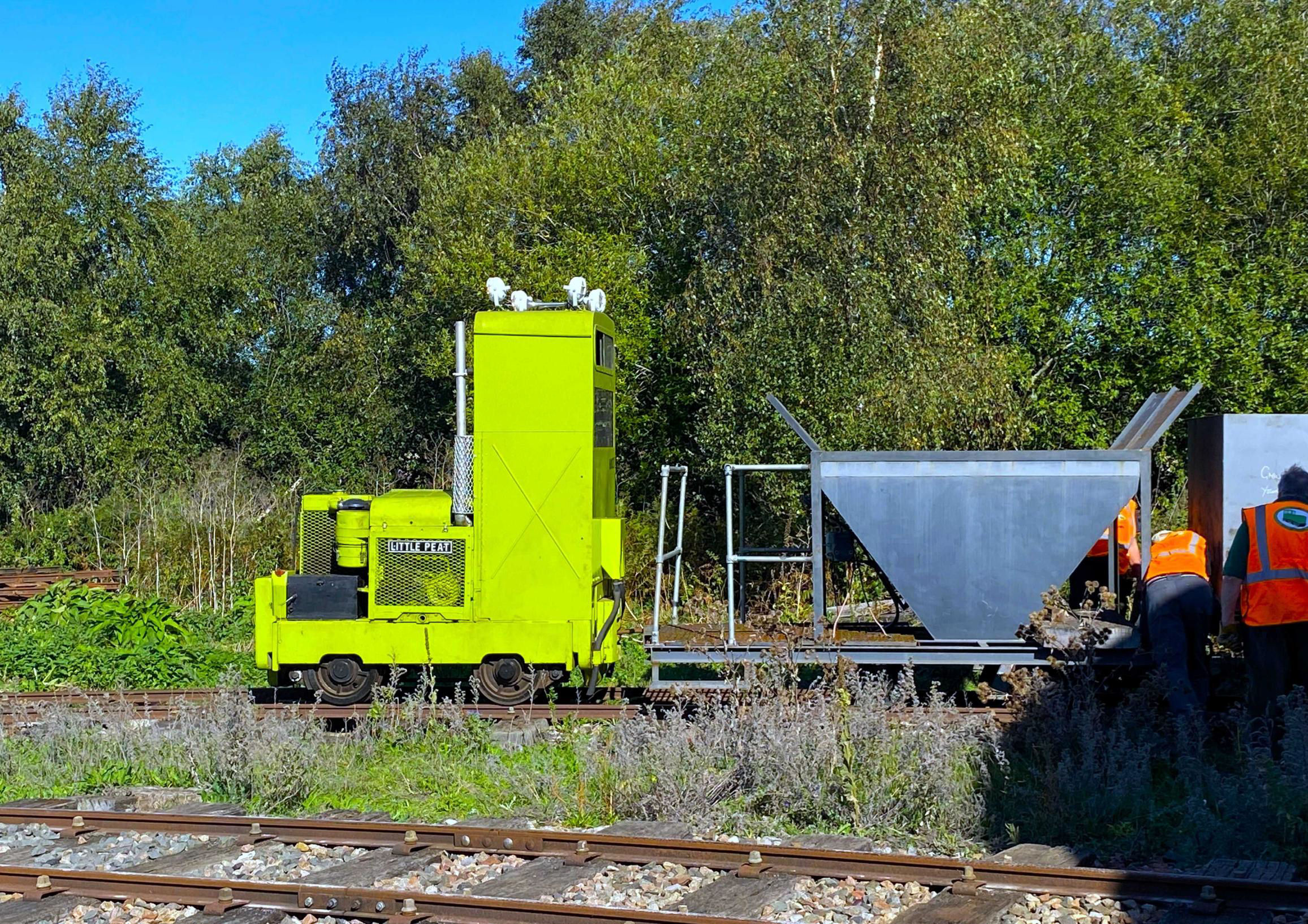
'Little Peat' prepares to shunt the stock out of siding 3.
[© Kev Adlam, Jonathan Davies and Alan Sheppard 2026]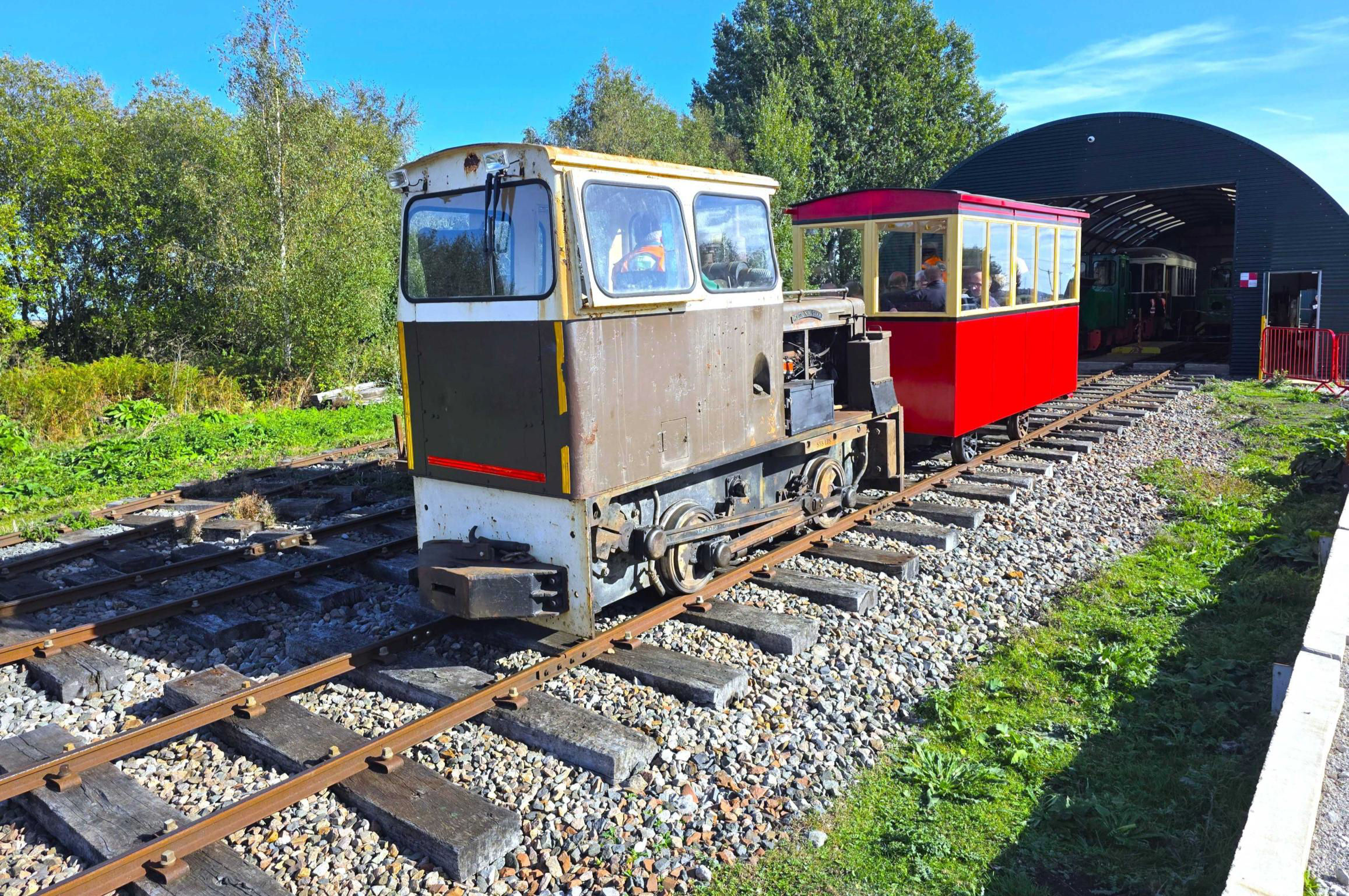
Right is the impressive workshop and shed; the rear edge of the new platform is bottom right corner; the present platform is just inside the shed.
[© Kev Adlam, Jonathan Davies and Alan Sheppard 2026]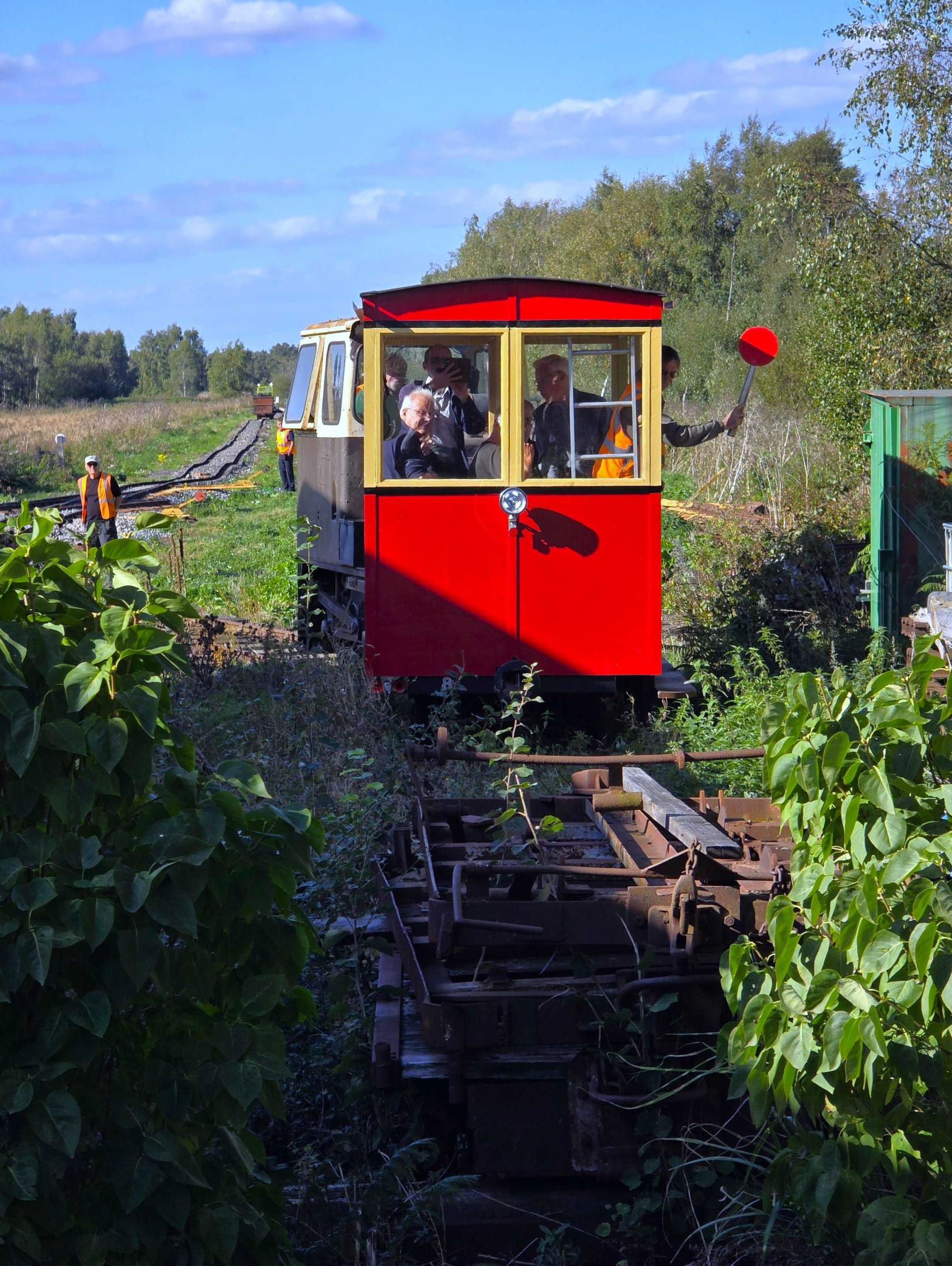
''We had better stop here!'' Nearly at the end of Line 3 after it had been cleared out for us
[© Kev Adlam, Jonathan Davies and Alan Sheppard 2026]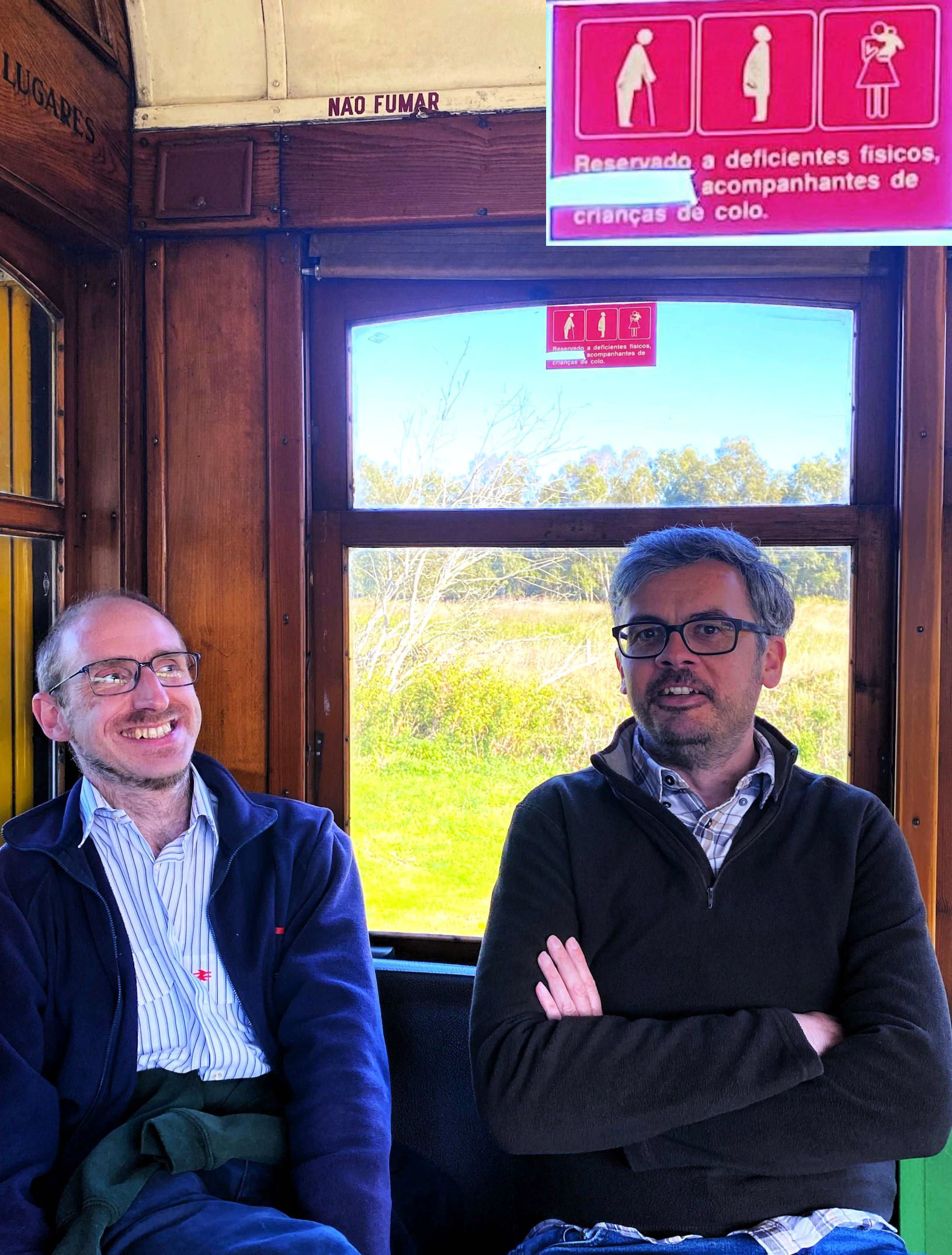
Well-known Minor Railway aficionados Duncan Finch (left) and James Beal. We wonder which category (right) they are in to qualify for these reserved seats on this Lisbon tram?
[© Kev Adlam, Jonathan Davies and Alan Sheppard 2026]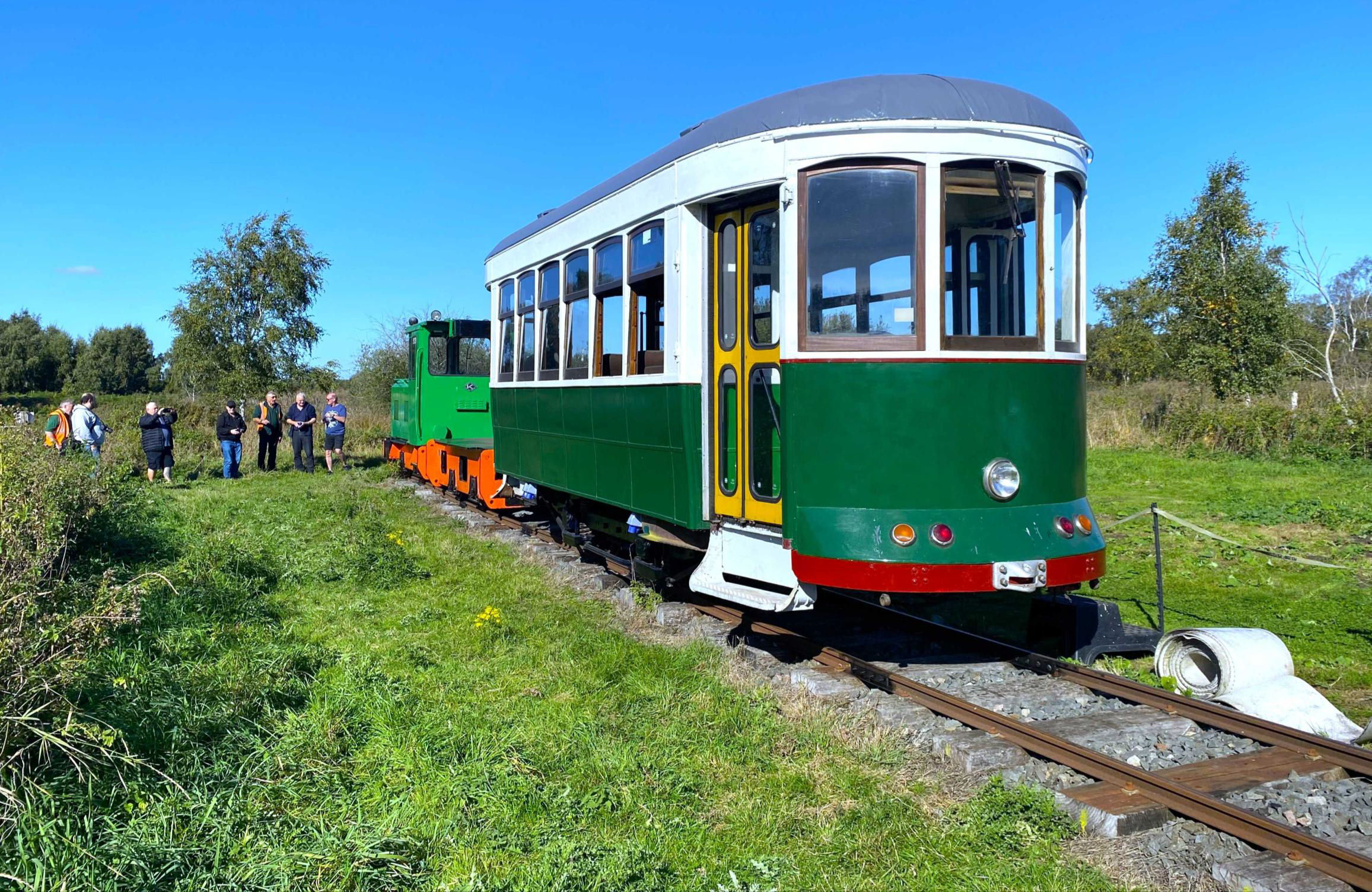
The Lisbon tram at the end of line.
[© Kev Adlam, Jonathan Davies and Alan Sheppard 2026]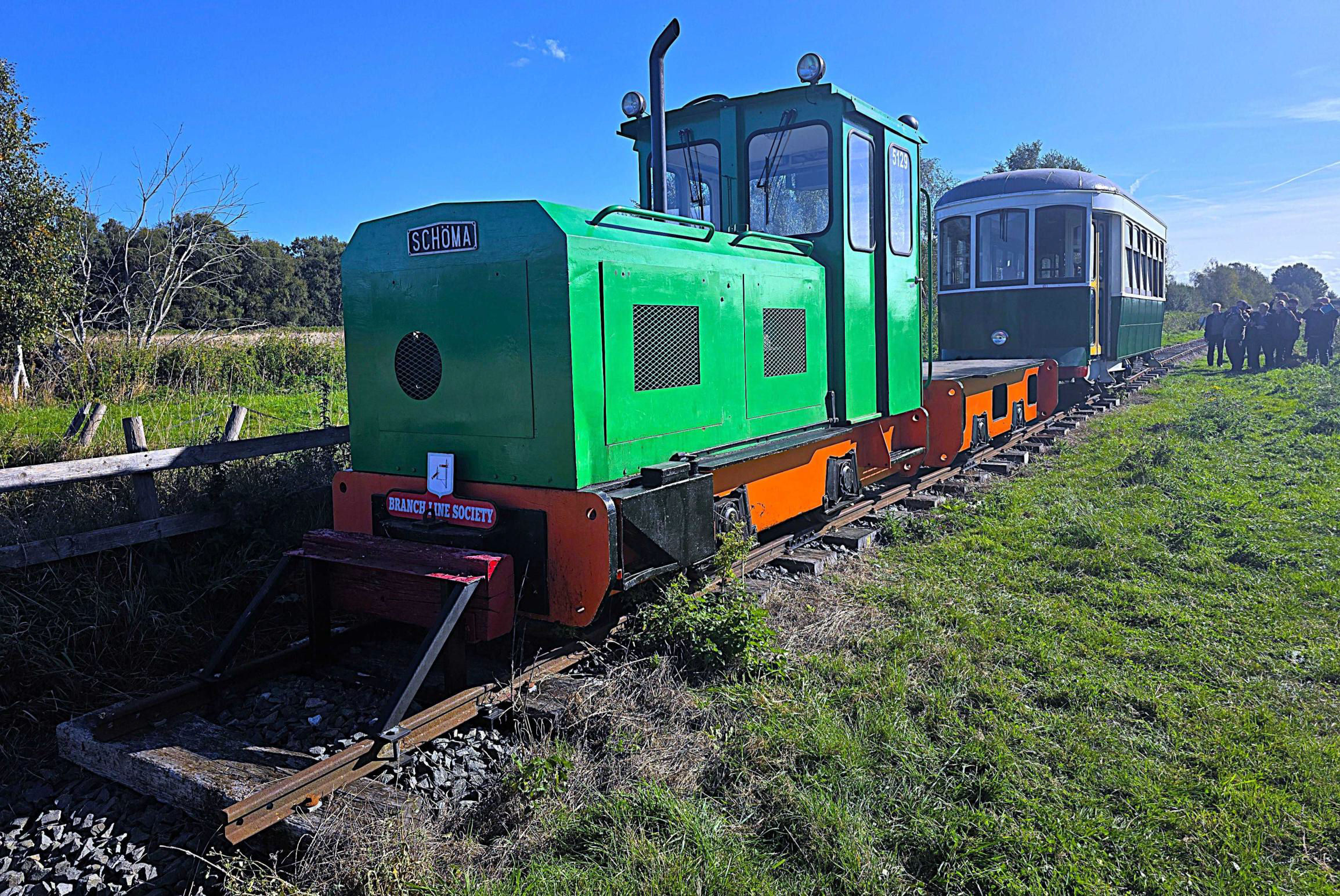
Although into the sun, this shows the end of line and our miniature headboard very well.
[© Kev Adlam, Jonathan Davies and Alan Sheppard 2026] is a video by Howard Harrison of the railway during a different visit.
A track plan of the existing railway:
http://www.minorrailways.co.uk/trackplans/crowlepeatland.pdf
https://peatland.co.uk/ is Crowle Peatlands Railway website with further information and dates of future running for those unable to attend our visit.
Aside from the railway itself, the Peat Railway Society has an interesting display about the history of peat railways and there was much to see in the shed and workshop, including a 'G' scale model railway. The Society is building a passenger platform and adjacent line close to the shed to make joining trains easier in the future and this will no doubt necessitate a 'bog standard re-peat' BLS visit. They also plan (and have Council etc support for) a 500m return loop round a field at the far end, demonstrating railway operation over a peat bog itself. (If there was a derailment it would be a soft landing.) In the meantime, a visit to this unusual and interesting railway is highly recommended. As well giving the opportunity to enjoy the railway, the site also illustrates the workings of an industry now largely consigned to history.
Our visit was particularly enjoyable due to the all day sunshine, the friendly, helpful nature of everyone we met at the railway, also the excellent breakfast and lunch, with unlimited hot drinks. These were all included in the fare and were much appreciated. As well as thanking Angus and his colleagues for their kindness in hosting us, grateful thanks are also due to Gary Lonsdale for arranging this excellent fixture.